
Pest Inspections Sydney
A pest problem rarely announces itself early. A professional inspection changes that, giving you a clear picture of what is happening on your property before it becomes a costly issue. At All Pest Free, our Sydney inspections are thorough, methodical and tailored to each space, so you know exactly where you stand and what to do next.
A pest problem rarely announces itself early. A professional inspection changes that, giving you a clear picture of what is happening on your property before it becomes a costly issue. At All Pest Free, our Sydney inspections are thorough, methodical and tailored to each space, so you know exactly where you stand and what to do next.
How Regular Pest Inspections Help Catch Pests Fast
Pests are skilled at staying out of sight, particularly in the early stages when numbers are still small and activity is easy to miss. Routine inspections are the most reliable way to find them before they multiply.
During a visit, our pest controllers look for the subtle signs that point to a developing problem, from faint rub marks along skirting to droppings tucked away in quiet corners. Catching these indicators early means treatment can begin sooner, well before pests cause real damage or spread to other parts of the property. For many Sydney homeowners and businesses, a regular inspection schedule becomes a simple, sensible safeguard.
Pest Inspections that Don't Overlook any Area
Pests are drawn to spaces that offer food, moisture or shelter, so a proper inspection has to cover the whole property rather than the obvious spots alone. We work through each area methodically, paying close attention to the places pests are most likely to settle.
- The Kitchen: A constant source of food and water makes kitchens a prime target. Crumbs, spills and stored goods attract cockroaches, ants and rodents, while warmth behind appliances offers shelter. We check the pantry closely for pantry moths and other stored-product pests.
- The Bathroom: Damp conditions draw silverfish and cockroaches to sinks, pipes and tiling. We inspect these areas for activity, along with the leaks and pooling that create an inviting environment.
- The Laundry: Warmth, moisture and undisturbed corners attract spiders and silverfish, particularly around stored fabrics. We check beneath and around appliances, where activity often goes unnoticed.
- The Hidden Voids: Roof voids and wall cavities offer the seclusion pests seek. Rodents nest here and termites are drawn to timber and moisture. We use specialised equipment to inspect these hard-to-reach spots.
*Please note that this is a general overview of the key areas we inspect during our process. Every property is different, and our team adapts each inspection to suit your specific space.
How a Pest Inspection Looks with Integrated Pest Management
Integrated Pest Management treats inspection as the foundation of everything that follows, and our process reflects that. Rather than reaching straight for chemicals, we first build a clear understanding of the property: which species are present, what is drawing them in, and where they are entering or sheltering.
Pest findings shape a targeted response that focuses on the root cause, whether that means sealing entry points, addressing moisture or applying a precise treatment. This considered approach keeps chemical use to a minimum, prioritises the safety of your space, and supports long-term prevention rather than a quick, temporary fix.
What Does a Pest Inspection Process Involve?
Our inspections follow a clear sequence so nothing is left to guesswork. Each stage builds on the last, giving you an accurate account of your property and a practical path forward.
Visual Inspection
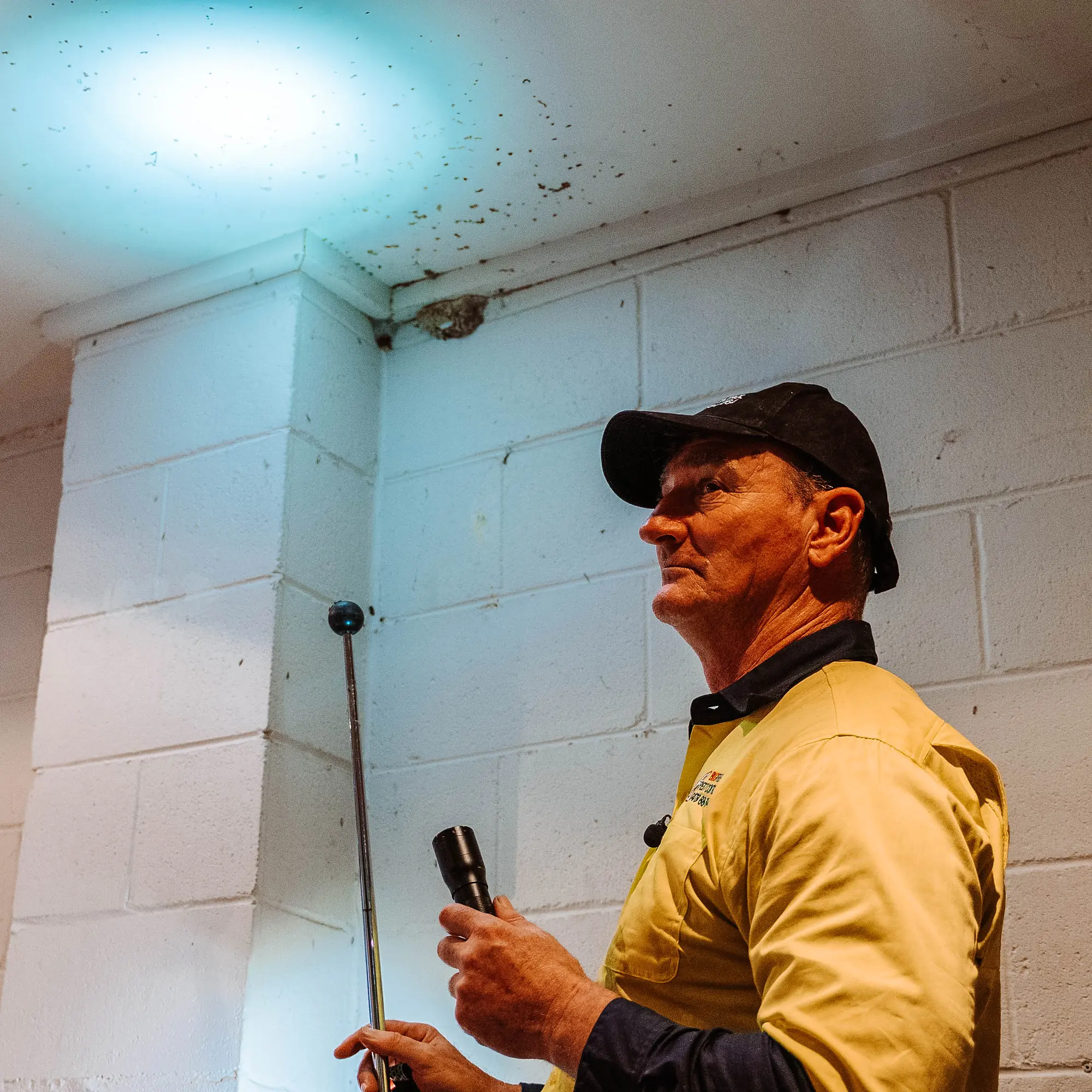
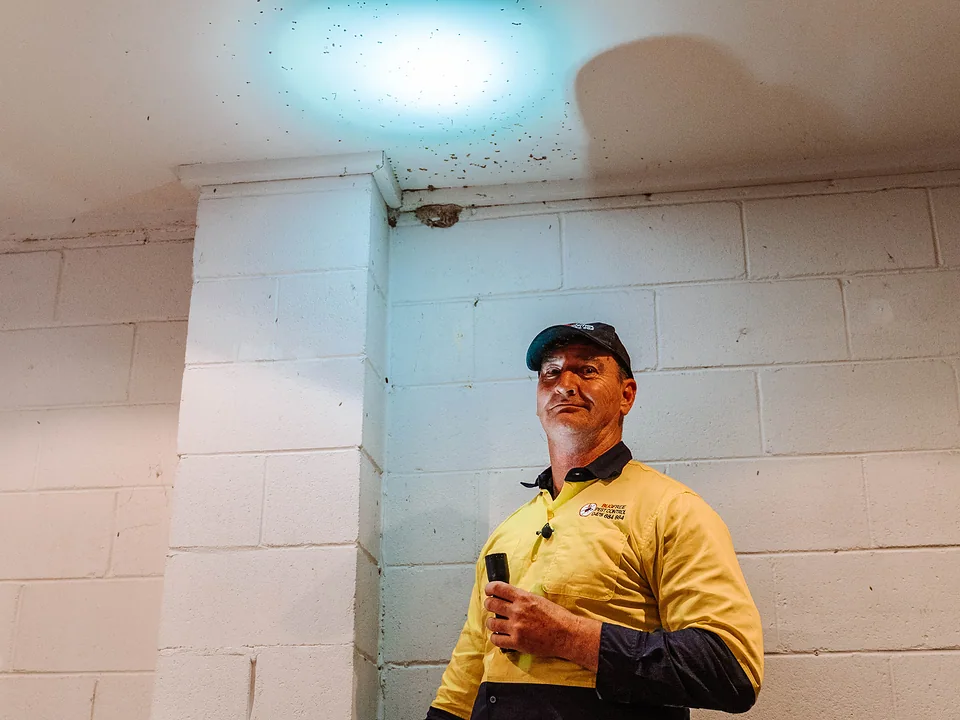
We begin with a careful visual assessment of the property, examining the areas where pests are most likely to be active. Our team looks for telltale signs such as droppings, gnaw marks, shed skins, webbing and damage to timber or packaging, all of which help us gauge the scale of any activity.
Tool-based Inspection
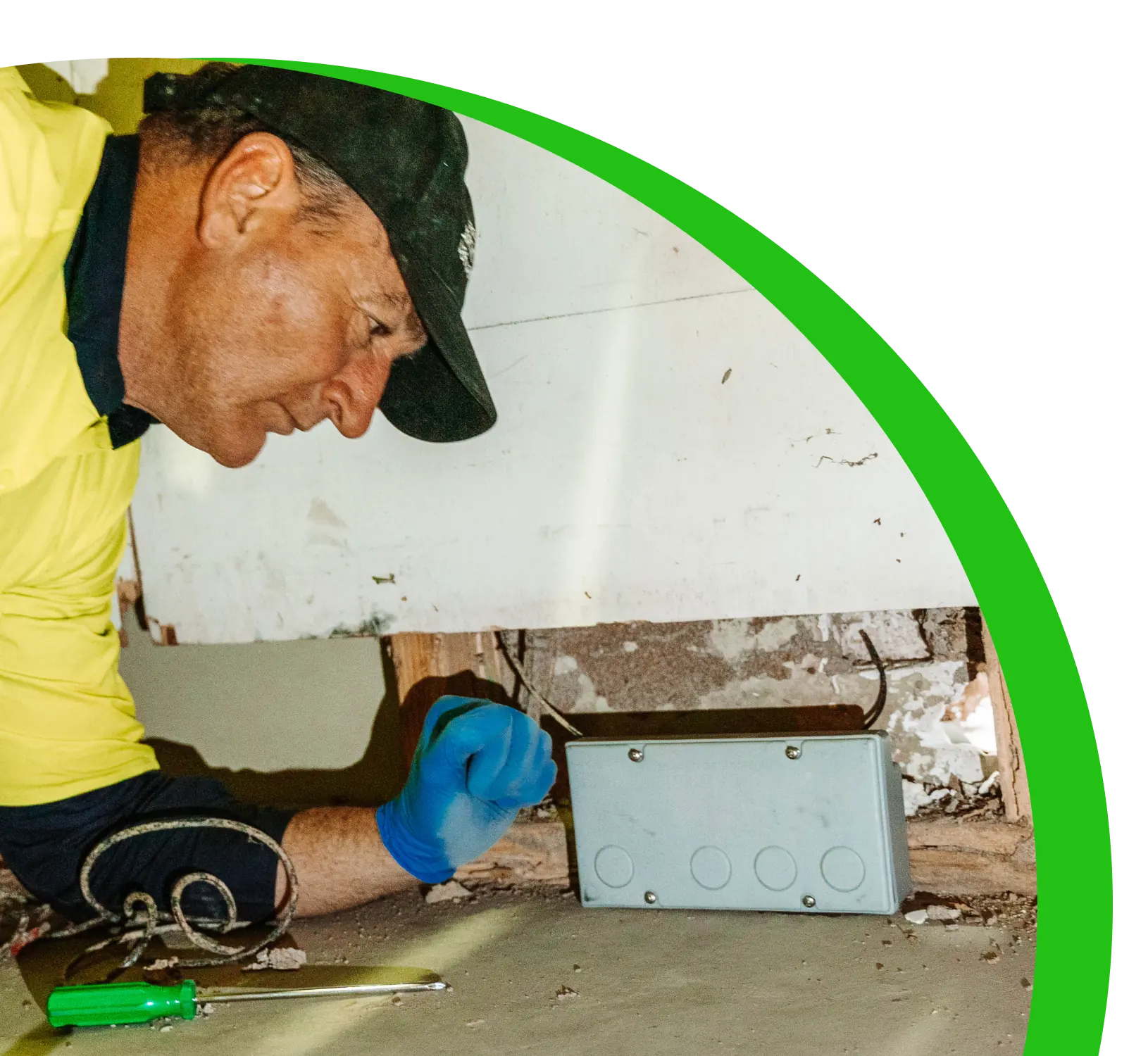
Some pests and the conditions they favour cannot be seen with the eye alone. To uncover hidden activity, we rely on specialised equipment, including thermal imaging to detect warmth and movement within voids, and moisture meters to locate the damp areas where termites and other pests are drawn.
Detailed report
After the inspection, we document our findings in a clear, written report. This sets out where activity was detected, the species involved and the conditions contributing to the problem, giving you a transparent record to refer back to and act upon with confidence.
Post-inspection advice
We finish by talking you through what we found and what it means for your property. Our team offers practical, tailored guidance, whether that involves recommending a treatment plan or suggesting simple changes to reduce the conditions pests rely on.
What Sets Our Pest Inspections Apart
Choosing All Pest Free means working with a team that values thoroughness and honesty in equal measure. We take the time to inspect every relevant area properly, rather than rushing through the obvious spots, and we explain our findings in plain language so you always understand the situation.
Our use of advanced equipment lets us detect problems that often go unnoticed, while our considered, prevention-focused approach helps protect your property well beyond the visit. From the first walk-through to our closing advice, we aim to give you genuine peace of mind.
Ready to Inspect Your Property? See All Pest-free
Knowing what is happening on your property is the first step to keeping it protected. With a thorough inspection from All Pest Free, you gain a clear understanding of any pest activity and a sensible plan to address it.
Contact our experts today!
Pest Inspections: frequently asked questions
How often should I book a pest inspection?
This depends on your property, location and history with pests. As a general guide, an annual inspection suits many properties, though spaces with previous activity may benefit from more frequent checks.
Do I need to prepare anything beforehand?
Clear access to key areas such as the kitchen, laundry and roof space is helpful. Otherwise, there is little you need to do, as our team handles the inspection itself.
Will an inspection tell me if I have termites?
Our inspections look for signs of termite activity using tools like moisture meters and thermal imaging, helping us identify areas of concern and recommend the right next steps.