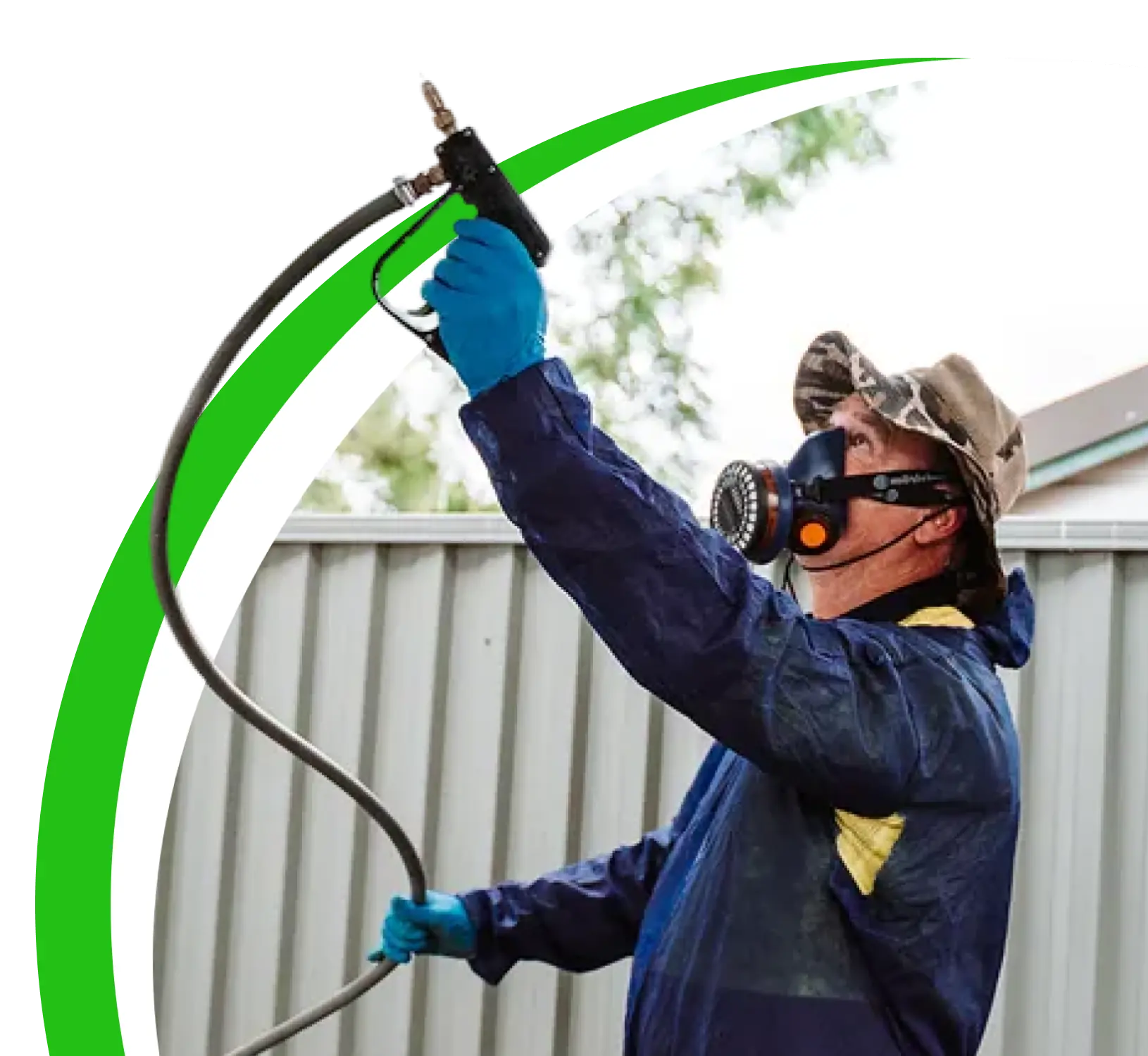


Local Castle Hill Pest Control
Castle Hill is one of the Hills District's most established and sought-after suburbs, characterised by large residential blocks, generous landscaping, and a mix of older homes and newer estates that have developed rapidly since the Sydney Metro Northwest opened the area to commuters.
Castle Hill is one of the Hills District's most established and sought-after suburbs, characterised by large residential blocks, generous landscaping, and a mix of older homes and newer estates that have developed rapidly since the Sydney Metro Northwest opened the area to commuters.
That growth creates a pest environment that's more active than many residents expect from a suburban setting.
All Pest Free provides thorough pest control across Castle Hill, West Pennant Hills, Kellyville, and surrounding Hills District suburbs with genuine expertise in the termite management this part of Sydney demands.
What's Driving Pest Activity in Castle Hill
Castle Hill's combination of large blocks, mature vegetation, and proximity to bushland creates favourable conditions for a range of pest species. Our technicians most commonly encounter:
- Termites: Castle Hill is within a high-termite-activity zone for the Hills District. Large residential blocks with established native trees, moisture-retaining clay soils, and a high proportion of older timber-framed homes create a combination that termite species exploit systematically. This is the pest concern that warrants the most proactive attention for any Castle Hill homeowner.
- Spiders: Castle Hill's garden-heavy properties and proximity to bushland reserves bring funnel-web and redback spiders into regular contact with residential zones. Funnel-webs are present in moist, sheltered garden areas, particularly in properties bordering Cattai Creek or local reserves. Redbacks are effectively universal across the suburb's outdoor structures.
- Ants: Large block sizes mean large garden perimeters, and Castle Hill's established gardens provide extensive ant colony habitat. Coastal brown ants, black house ants, and fire ants (in some newer areas) regularly establish nests under pavers, in retaining wall cavities, and around subfloor foundations.
- Possums: Ringtail and brushtail possums are highly active across Castle Hill's leafy streets, regularly accessing roof voids through gaps in eaves and fascia boards. Overhanging tree branches provide easy rooftop access for possums year-round.
Pest Control Services for Castle Hill and the Hills District
All Pest Free delivers comprehensive pest management for homes and businesses across Castle Hill:
- Termite inspections, comprehensive property assessments with written reports
- Termite chemical barrier and baiting system installations
- Spider control, including funnel-web management for bushland-adjacent properties
- Possum exclusion, humane removal and entry point sealing
- General pest control: cockroaches, ants, silverfish, fleas
- Rodent control: baiting, trapping, and exclusion
- Pre-purchase pest inspections suitable for conveyancing
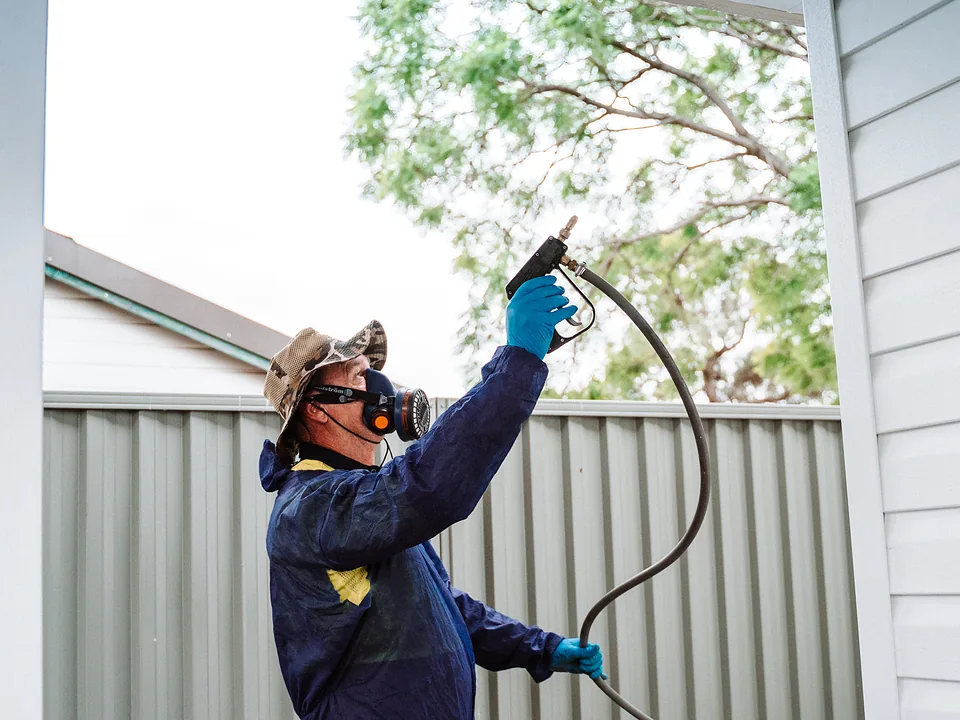
Why Castle Hill Homeowners Take Pest Management Seriously
Castle Hill's pest risk profile is shaped by two defining characteristics: the size of its residential blocks and its position at the suburban-bushland interface.
Large blocks mean large garden perimeters. There are more metres of boundary with the surrounding environment, more potential harbourage in retaining walls, garden beds, and lawn edges, and more overhanging vegetation providing pest access to structures.
Proximity to Cattai Creek and associated bushland reserves means termite colonies in native tree root systems can extend into residential subfloors without crossing any obvious boundary.
Castle Hill's clay soils also retain moisture effectively, maintaining the soil conditions that subterranean termites depend on through dry summer periods when they would be inactive in faster-draining soils.
The suburb's rapid residential development in recent decades has also disturbed established pest populations repeatedly, making the current pest environment more active than its well-maintained garden appearance might suggest.
Why Castle Hill Residents Choose All Pest Free
- Termite specialists with deep experience in the Hills District's high-risk soil and vegetation environment
- Thorough inspection process: interior, exterior, subfloor, roof void, and garden perimeter assessed
- Eco-friendly and pet-friendly products, appropriate for Castle Hill's family-oriented residential character
- Possum management handled humanely and in compliance with NSW wildlife law
- Formal written inspection reports available for pre-purchase and insurance purposes
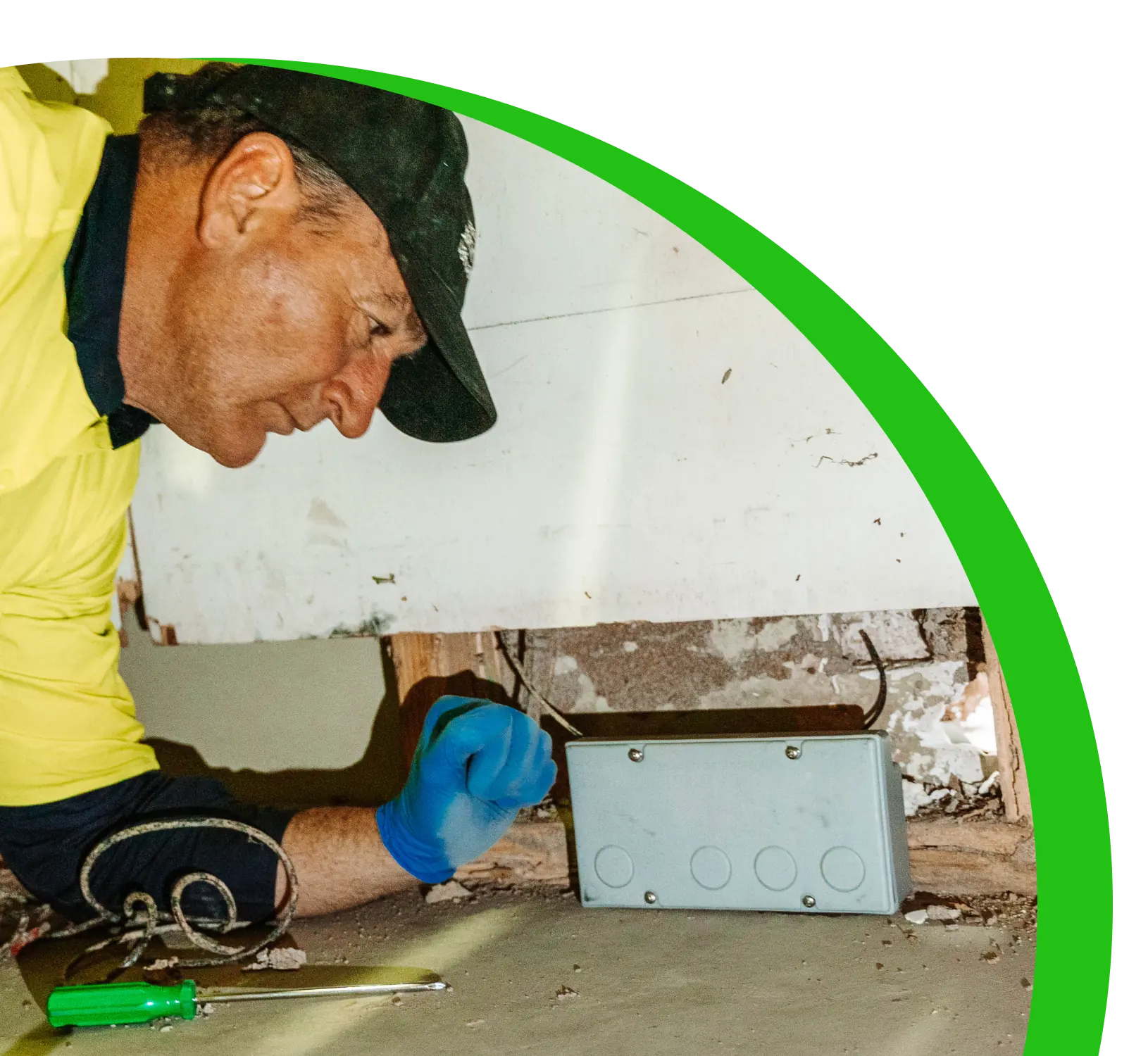
Book Your Castle Hill Pest Inspection ASAP
Castle Hill's green, established character is an asset, but it's also an active pest environment that rewards proactive management over reactive treatment.
All Pest Free provides the termite expertise, spider management, and general pest control that Hills District properties require.
Contact us today!
Castle Hill Pest Control: frequently asked questions
How do I choose between a chemical termite barrier and a baiting system for my Castle Hill home?
The right choice depends on your property's construction type, soil conditions, and whether active termite activity has been detected.
- Chemical barriers are applied at the time of construction or retroactively around the building perimeter, providing an immediate chemical deterrent.
- Baiting systems use monitored in-ground stations that termites find and carry back to their colony, eventually eliminating the source colony over months.
For Castle Hill properties with active clay soils and high native tree density, baiting systems are often favoured because they address the colony rather than just creating a perimeter. A formal inspection first gives us the information needed to make that recommendation for your specific property.
Are fire ants present in any parts of Castle Hill?
Fire ant detections have been reported in parts of Western Sydney in recent years, and the Hills District is within the broader surveillance zone. If you notice unusual mound structures in your garden, typically dome-shaped soil mounds up to 40cm high with no visible entry hole on top, do not disturb them. Report to the NSW Department of Primary Industries and contact us for an assessment.
How soon after a pest treatment can my children and pets use the garden?
For exterior perimeter treatments, we generally recommend keeping pets and children away from treated surfaces until they're visibly dry, typically 2 to 4 hours depending on conditions. Our technician will provide you with specific re-entry guidance based on the products you use. Treatments applied to subfloor or interior harbourage areas do not affect outdoor spaces.
My Castle Hill property has a large retaining wall. Is that a pest risk?
Yes. Retaining walls can be a pest harbourage sites in Hills District properties. They create sheltered, moist cavities that cockroaches, spiders (including redbacks), and ants exploit heavily. Timber retaining walls also present a direct termite risk if they're in ground contact without appropriate treatment. Our inspection includes retaining wall assessment as a standard component.
What's the minimum block size that warrants a termite barrier in Castle Hill?
Block size is less relevant than soil type, tree proximity, and construction type. A small block on clay soil with an established eucalyptus nearby carries higher risk than a large block on sandy soil with minimal tree coverage. Rather than using block size as the determining factor, we assess the combination of soil, vegetation, construction type, and any previous pest history to determine whether a barrier is warranted and what type is most appropriate.