
Why Do Ants Come Inside After Rain?
Winter is when ants are dormant as a result of the colder temperatures. So, when Spring comes around, it causes them to begin their re-emergence. Acting as a transitionary period to Summer, Spring reintroduces the warmer temperatures and humidity that attracts these pests. However, when there’s heavy rain-fall, this is what pushes them into pursuing their quest for food in their homes.
Flooded Nests
The primary home for an ant colony are nests in the soil, under pavers or in garden beds. However, heavy rainfall saturates the ground which effectively floods the nests. When this occurs, the workers always relocate to more dry and higher up regions. This commonly includes areas in the kitchen such as wall cavities, door frames and cupboards.
Washed-out Food Sources
The rain ruins the adequate food sources that worker ants commonly acquire. The foraging ants then have to expand in their quest for food by redirecting their attention to the indoors. The kitchen offers dry, easily accessible food sources for the ants to then transport back to the property.
Heightened Ant Reproductivity
Ants are ectothermic, meaning that they’re cold blooded pests who have the inability to regulate their body temperature. The warm weather, as a result, impacts their rate of metabolism and energy levels overall. This positive spike causes the queen ants system to lay up to hundreds of thousands of ant eggs daily. This then significantly boosts the colony’s number.
Greater Demand for Food
Given that there are expedited colony reproductive rates, worker ants must forage for greater food resources. However, the combination of greater difficulty in sourcing food, and also, more of it causes them to move indoors. The kitchen area provides an ample supply of dry food all in one place, especially when food is unattended.
Which Ants are You Seeing?
The type of ant entering your home is crucial for an accurate infestation diagnosis. There are a few ants which commonly plague Sydney homes, particularly after rainfall. By knowing how to identify the type of ant, this will prepare you in the event of a current or future ant infestation.
See how to identify the ant type below:
| What You see | Likely species | What it Tells You |
| Tiny, pale to dark brown ants in fast, thin trails | Coastal brown ants or white-footed house ants | Sweet or greasy food, moisture; often a large outdoor nest nearby |
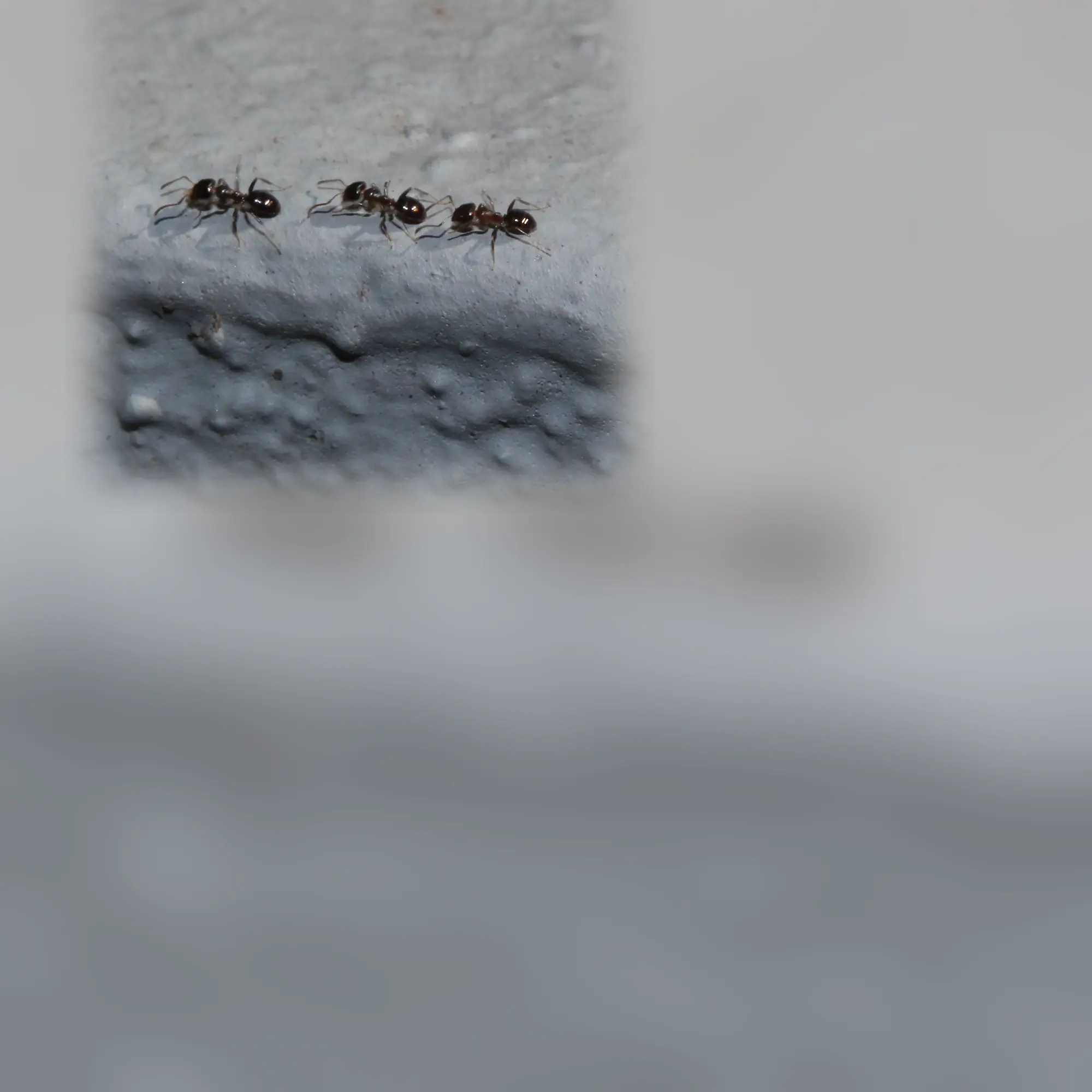
| Small, shiny black ants moving erratically | Black house ants | Usually nesting near the home, looking for sugar and protein |
| Very fine, slow-moving ants near plumbing | Ghost ants or pharaoh ants | Warmth and moisture; can nest inside walls |
| Large, aggressive ants that sting, or soil mounds appearing in lawns | Possibly an invasive species | Report it to your state biosecurity authority; don’t disturb it |
Still Feeling Unsure? See a Simple Way to Pinpoint the Ant Species
If you’ve spotted an ant, or a colony nearby, place a coin on the floor to compare sizes. Then, quickly take a photo to gather as evidence. In this case, it’s best to use either a 5 cent or 10 cent coin, this depends on the type of ant species you suspect. By doing so, it poses a simple solution on determining the ant species at-hand.
Get our breakdown below:
- 5-Cent Coin: The average ant species that infests a kitchen typically aligns in length with the letters displayed on a coin. Ant species 2-4mm long range from orange ants, all the way to green-head ants.
- 10-Cent Coin: This coin type characterises ant species that are 20mm to 25mm in length. The species that commonly align with this include the queen of a sugar ant colony, and queen of a meat ant colony. While the worker ants of both species are similar, their length tends to fall short.
What To Do As Soon As You Spot an Ant Colony
While resorting to supermarket sprays can seem tempting, this often renders ineffective for an ant colony. This is why it’s important to take a calm, strategic approach to navigating this newfound pest problem.
See the right steps to ant control:
- Don’t Squash and Spray: Surface sprays kill the ants you see, scatter the colony and can make some species split into multiple nests.
- Wipe the Trail: Use warm soapy water along the whole line to break the scent path.
- Remove the Food: Clean surfaces, seal pantry items and empty the bin.
- Find the Entry Point:Follow the trail back to a gap, crack or pipe, and seal it with silicone once the ants are gone.
- Use Bait, Not Repellent:Bait lets workers carry the product back to the nest. Keep repellent sprays away from baits, or the ants will avoid them.
- Maintain Household Safety: Keep pets and children away from any bait stations.
What Attracts Ants into the Kitchen After Rain?
While rainy weather compels ant workers to enter your kitchen, its conditions are what causes them to linger. This is precisely why it’s important to look out for a few factors regarding the overall hygiene of the kitchen. Keep in mind that ants are looking for easily accessible food resources.
See what to look out for below:
- Crumbs, sticky spills and unwashed dishes
- Pet food left out overnight
- Open sugar, honey or fruit bowls
- Overflowing bins and un-rinsed recycling
- Damp sponges, drips under sinks and wet bench corners
*Did you know that ants leave a scent for other nest-mates to follow? This means that one successful scout to your kitchen can bring in hundreds of workers.
Your Spring-Safe Checklist for Ants: Choose Proactive Ant Prevention
- Seal cracks around windows, doors, pipes and skirting
- Fix leaking taps and keep sink cabinets dry
- Pull mulch and garden beds back from external walls
- Clear gutters and check that downpipes drain away from the house
- Store pet food and pantry staples in airtight containers
- Take bins out regularly and rinse recycling
- Trim vegetation touching the house, as it acts as an ant bridge
When Should I Call for Professional Ant Pest Control?
If you’re wondering whether there’s an infestation at-hand, or normal ant entry post-rainfall, you’re not alone. The good news is that there are a few signs to look out for on whether professional ant pest control is necessary. As a rule of thumb, if ant activity doesn’t fade within a week when food or access are removed, this indicates an issue.
See signs of an ant infestation below:
✔ Ants return within days despite cleaning and baiting
✔ You see ants in several rooms, not just the kitchen
✔ Trails appear again after each rain
✔ Ants emerge from walls, power points or behind cabinetry
✔ You notice winged ants indoors, or tiny soil piles near skirting
✔ Activity continues beyond one to two weeks
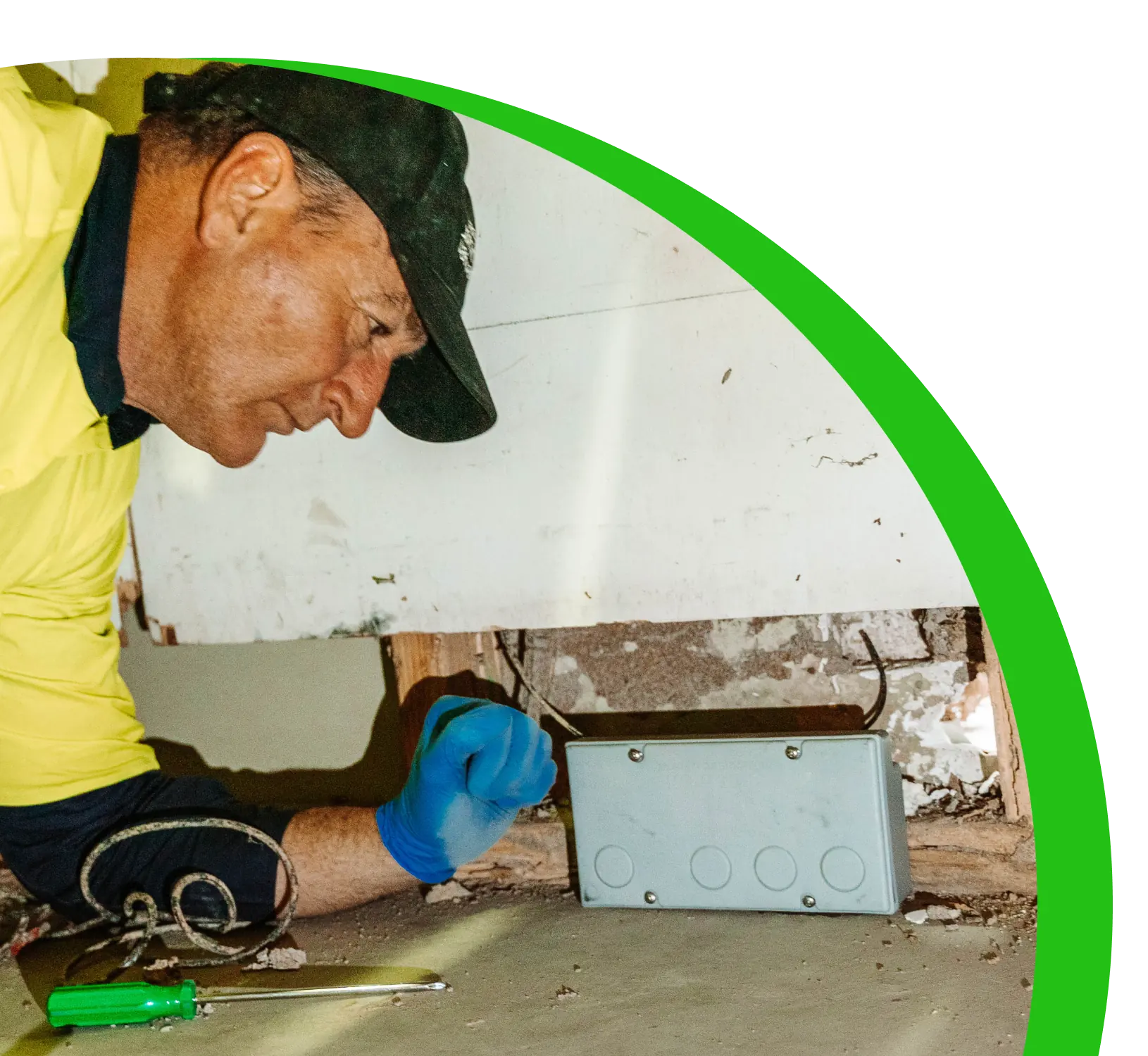
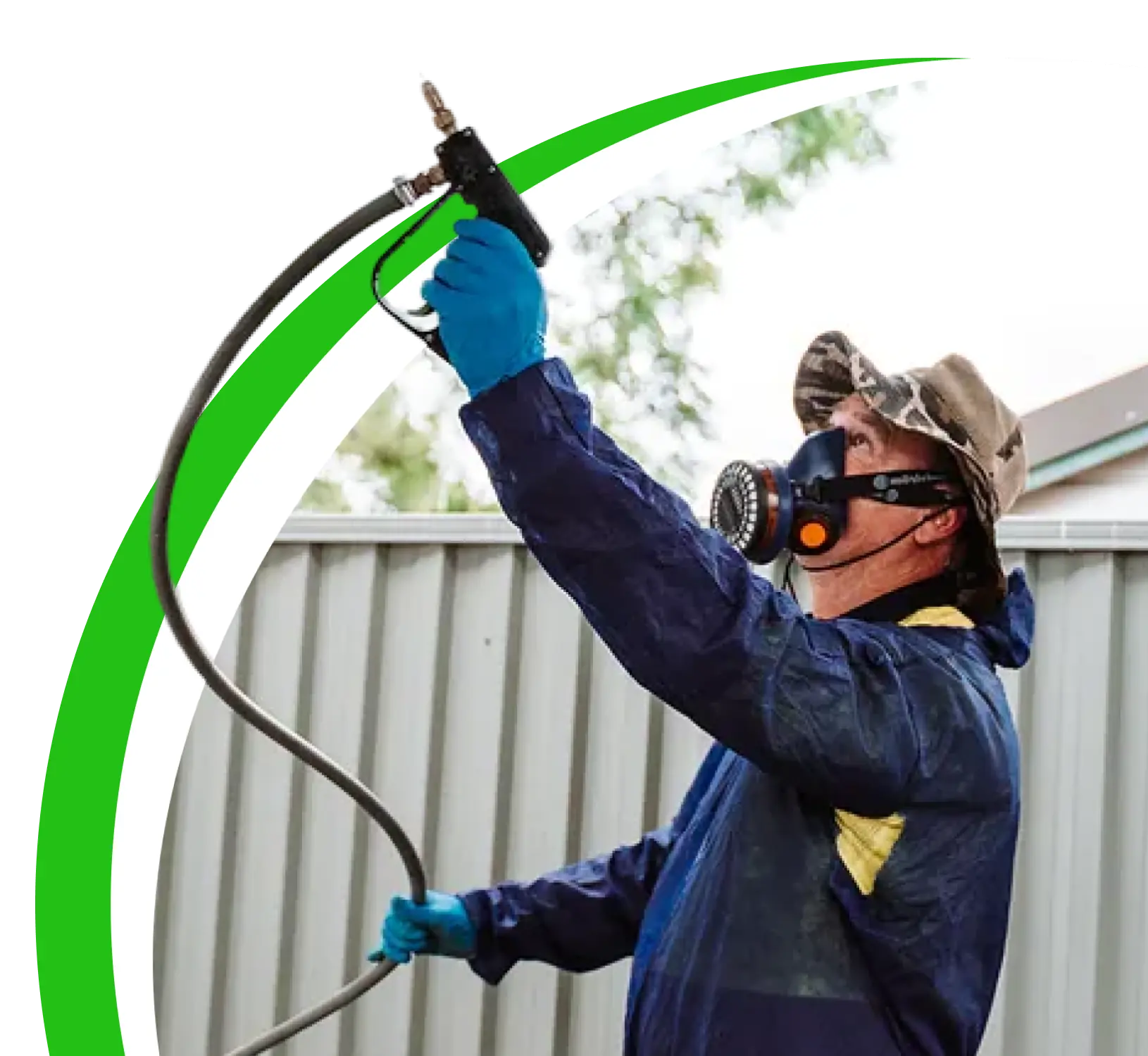
Spotted one or more of the signs above? Contact a fully licensed and qualified pest controller for a pest inspection as soon as possible. A pest technician has the expertise, tools and pest detection technology needed to identify and resolve an ant infestation.
Suspect an Ant Problem? Contact All Pest Free as Soon as Possible
We know ants in your kitchen are stressful, particularly when it comes to concerns for hygiene. If you’ve taken measures for your kitchen to deter ants, yet they linger, this is where we come in. At All Pest Free, our team consists of fully licensed and qualified pest control technicians. We’ve spent years providing ant pest control across the Sydney region, ensuring effective solutions every-time.